Evolution. AI-Native Discovery. Therapeutics.
Decoding animal superpowers to transform human health
Science
News
Related Publications
Machine-guided cell-fate engineering
Appleton, E., Tao, J. et al.
Cell Reports, Volume 44, Issue 6, 115726
Targeted intracellular delivery of Cas13 and Cas9 nucleases using bacterial toxin-based platforms
Tian, S. et al.
Cell Reports, Volume 38, Issue 10110476 March 08, 2022
Diverse motif ensembles specify non-redundant DNA binding activities of AP-1 family members in macrophages
Fonseca, G., Tao, J., et al.
Nature Communications, Volume 10, Article number: 414 (2019)
Leadership
Max Rye is a repeat biotech founder and CEO who has built and scaled venture-backed life sciences platforms. As a co-founder of TurtleTree, he raised over $40M and led the company from concept to scaled biomanufacturing operations. At Intertwined Biosciences, Max drives company strategy, capital formation, and execution. He brings disciplined operational leadership and a track record of translating breakthrough biology into scalable, businesses.
Evan Appleton is an expert in stem cell biology and synthetic biology, Evan earned his PhD from Boston University and completed his postdoctoral training in the Church Lab at Harvard Medical School. He went on to lead the Stem Cell Biology group at Colossal Biosciences, deriving and establishing the first induced pluripotent stem cells from elephants and other organisms. At Intertwined, Evan leads efforts to translate evolution-validated disease resistance into regenerative therapies for humans.
Jenhan Tao is a scientist with expertise applying AI and machine learning to solve complex biological problems. He earned his PhD studying the innate immune system using genomics and ML in the laboratory of Chris Glass at UC San Diego. As an early scientist at Generate:Biomedicines, he built and scaled ML systems for protein design, supporting programs advancing toward the clinic. At Intertwined, Jenhan leads development of the company’s AI-native discovery process.
Scientific Advisory Board
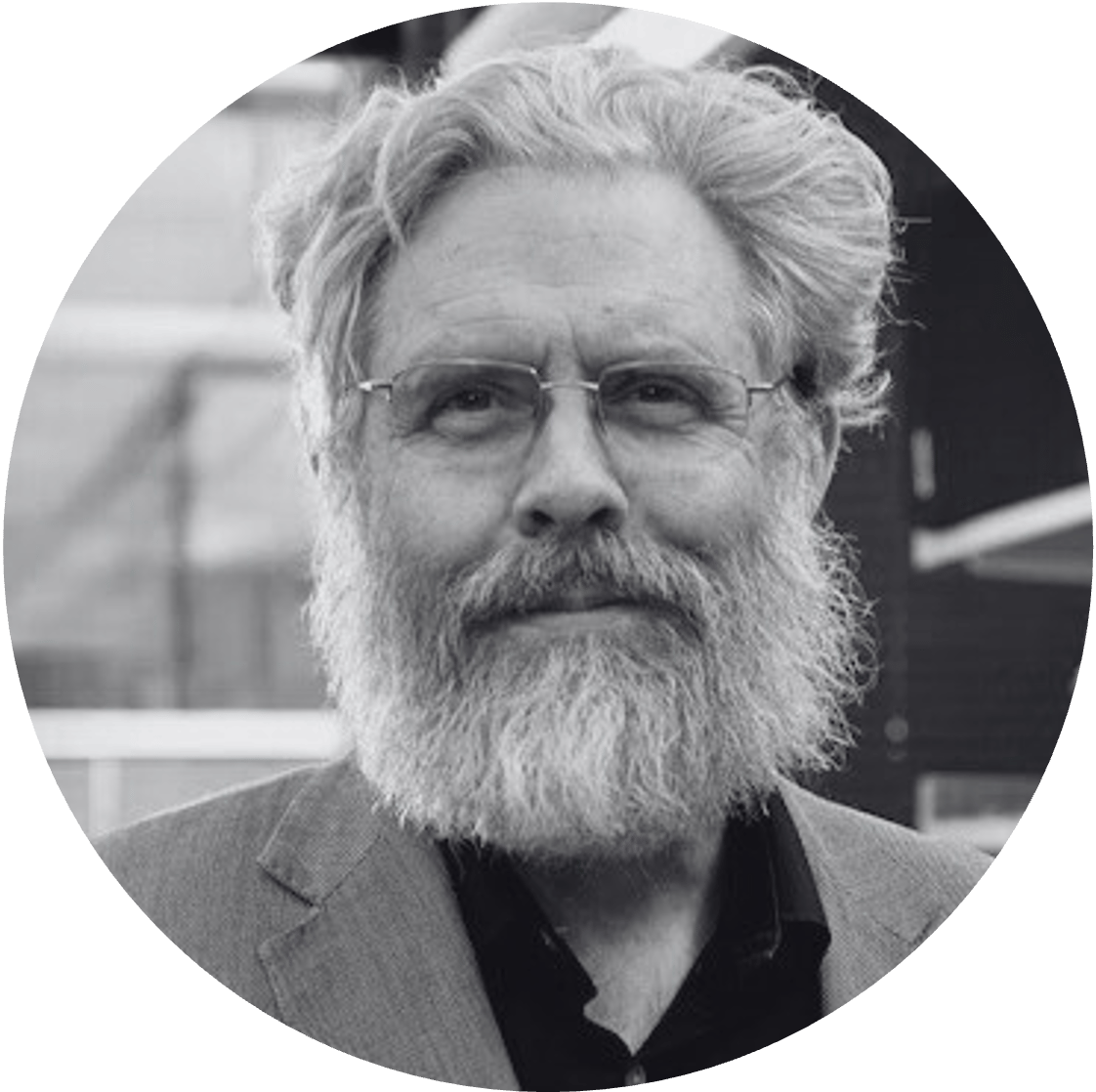

George Church is a Harvard and MIT Professor, co-author of 760 papers, 170 patent publications & book "Regenesis". NAS/NAE, Bower Prize, Time100. Developed methods used for first genome sequence (1994), subsequent 20-million-fold cost improvements (via fluorescent-NGS, nanopores), plus barcoding, DNA assembly from chips, multiplex genome editing/writing/recoding; co-initiated: BRAIN Initiative (2011) & Genome Projects (HGP-1984, HGP-Write-2016, PGP-2005:world's open-access, personal/precision medicine datasets); AI-ML for protein engineering, tissue reprogramming, organoids, gene therapy, aging reversal, xeno-transplantation, in situ 3D DNA/RNA/protein imaging; co-founded 48 companies.
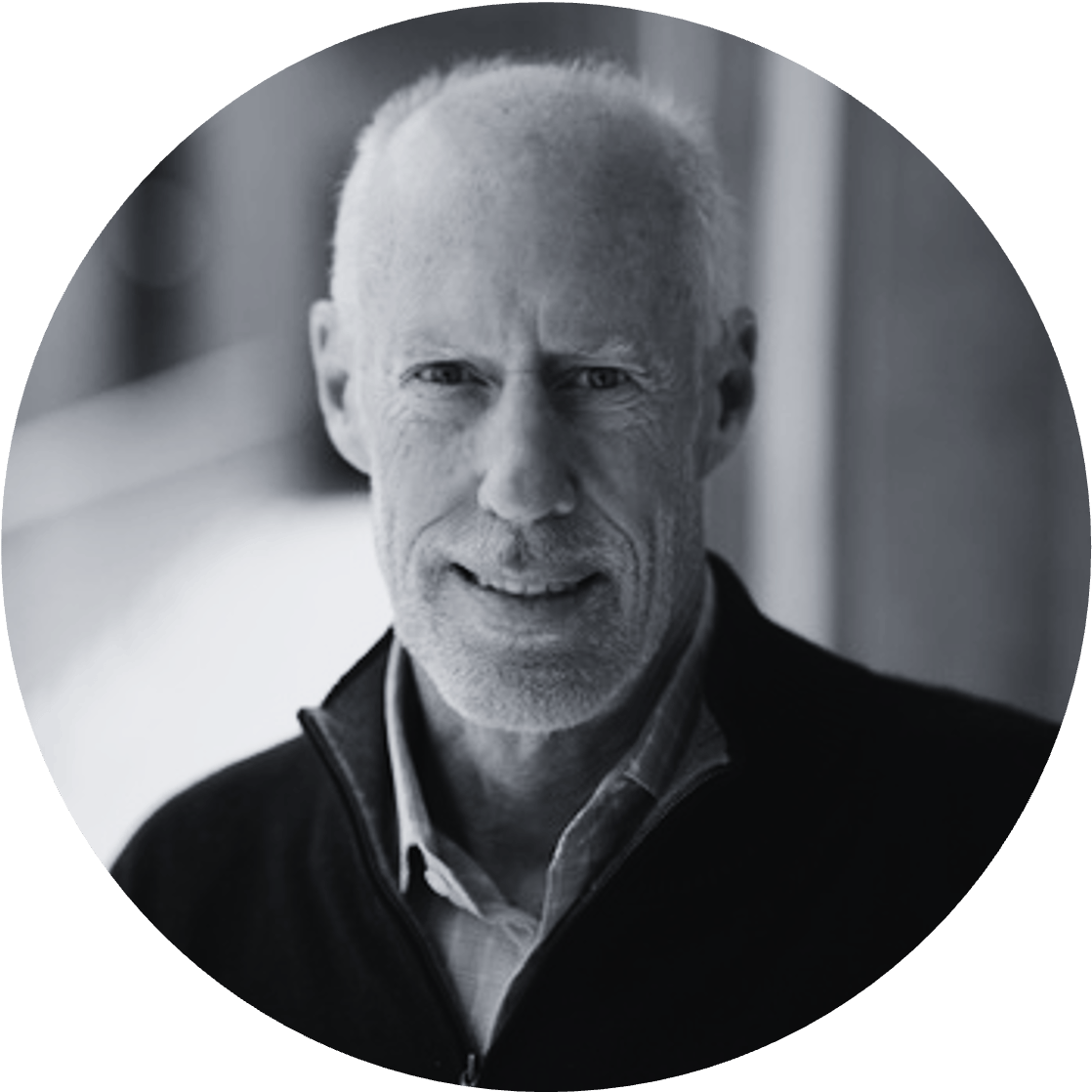
Christopher K. Glass is Professor of Cellular and Molecular Medicine at the University of California, San Diego School of Medicine. His primary interests are to understand the mechanisms by which transcription factors regulate the development and function of macrophages. A major direction of his laboratory has been the use of assays that are based on massively parallel DNA sequencing. The combination of these technologies with molecular, genetic, lipidomic and cell-based approaches is providing striking new insights into mechanisms that regulate macrophage gene expression and function that are relevant to inflammatory diseases including diabetes, atherosclerosis and neurodegenerative diseases.
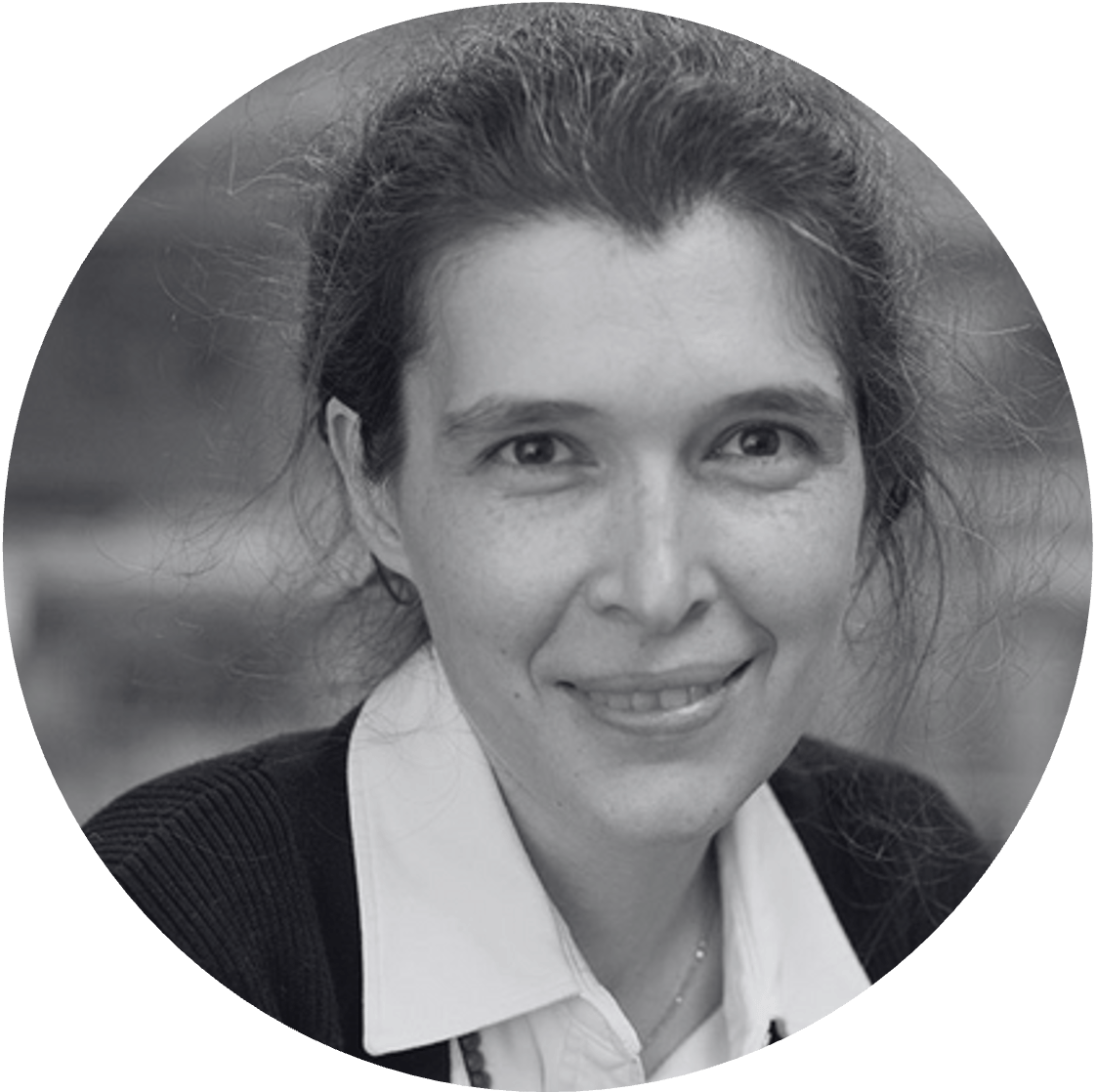
Vera Gorbunova is an endowed Professor of Biology at the University of Rochester and a co-director of the Rochester Aging Research Center. Her research is focused on understanding the mechanisms of longevity and genome stability and on the studies of exceptionally long-lived mammals. Dr. Gorbunova pioneered comparative biology approach to study aging and identified rules that control the evolution of tumor suppressor mechanisms depending on the species lifespan and body mass. Her work received awards from the Ellison Medical Foundation, the Glenn Foundation, American Federation for Aging Research, and from the National Institutes of Health.
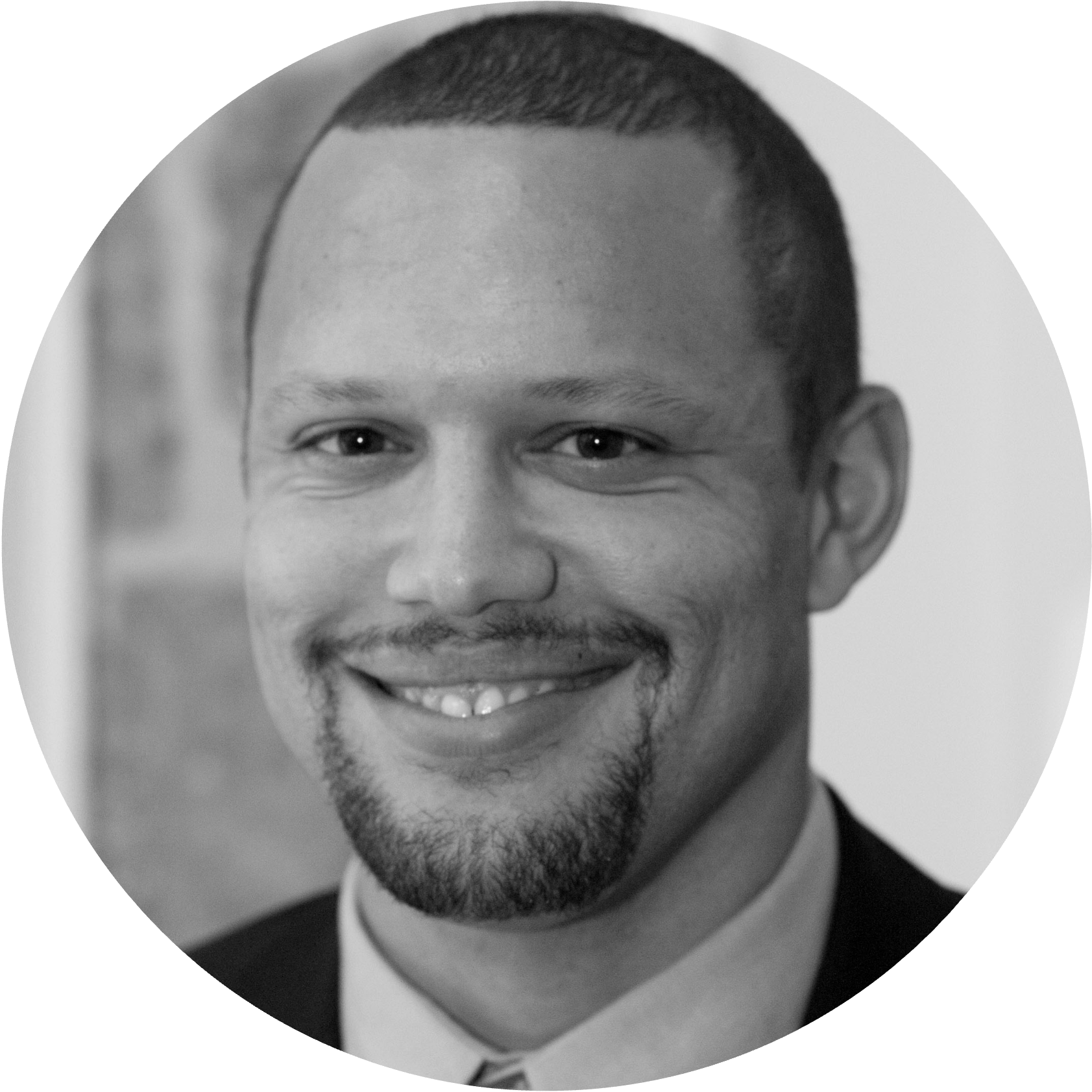
Douglas Densmore is Professor in the Department of Electrical and Computer Engineering at Boston University. His research focuses on the development of tools for the specification, design, assembly, and test of synthetic biological systems. His approaches draw upon his experience with embedded system-level design and electronic design automation (EDA). Extracting concepts and methodologies from these fields, he aims to raise the level of abstraction in synthetic biology by employing standardized biological part-based designs which leverage domain-specific languages, constraint-based genetic circuit composition, visual editing environments, microfluidics, and automated DNA assembly. This leads to a new research area he calls “Hardware, Software, Wetware Co-design”.